
Property Review
Review the home, roof, energy use, and project goals.
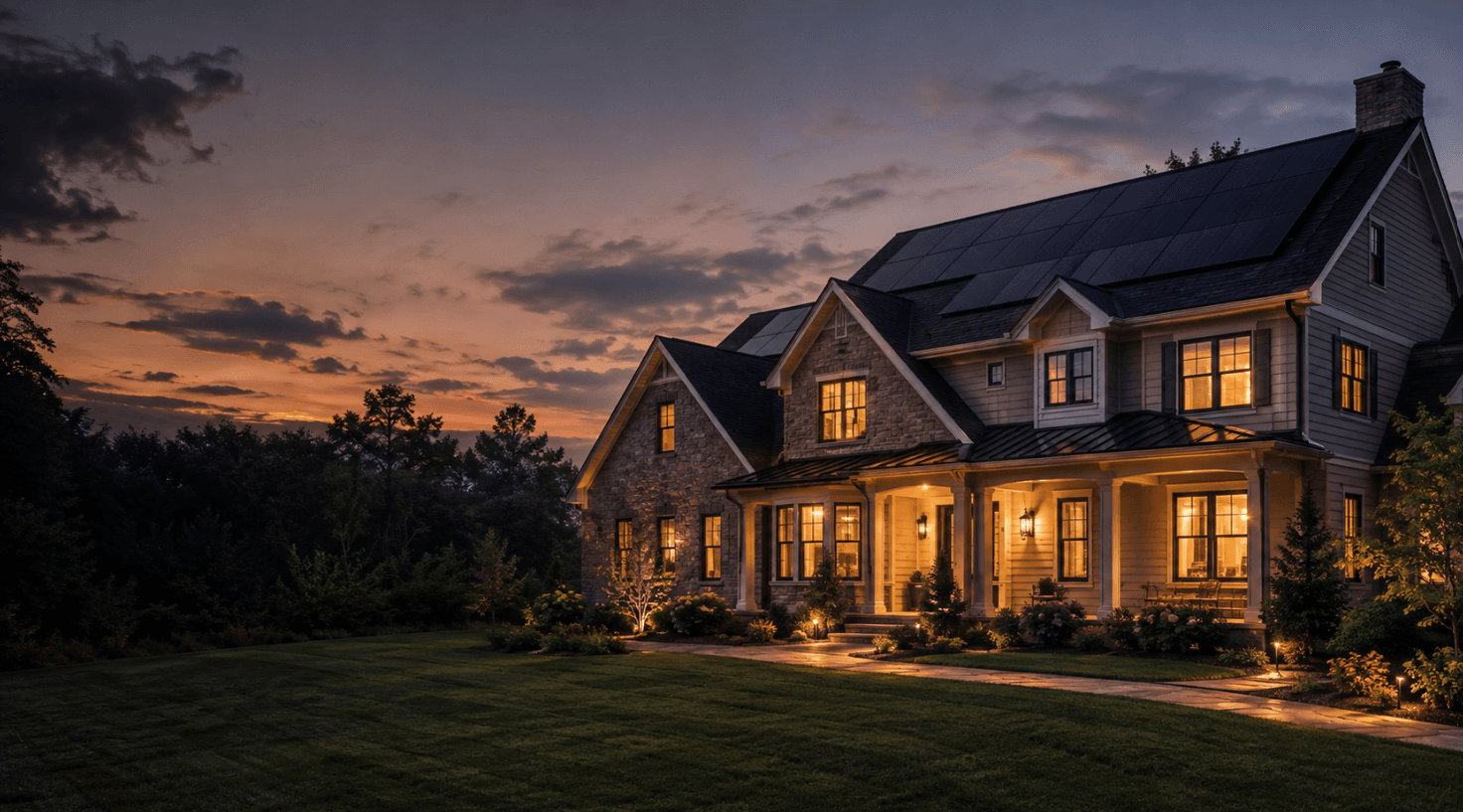
Santa Ana, CA
Sunburst Solar installs residential solar panels and home battery systems for homeowners in Santa Ana, with project details confirmed for the property, utility, and jurisdiction.
Review the home, roof, energy use, and project goals.
Confirm the applicable utility territory, local authority, and required project steps.
Compare solar-only and solar-plus-storage concepts when the property and goals support them.
Review assumptions, responsibilities, options, and milestones in writing.
Property-specific planning
Because the legacy property portal is unavailable during the Accela transition, the current municipal submission route must be confirmed before a design relies on parcel or permit assumptions. The property review should still document roof structure, shade, service equipment, ownership, access, electricity use, and optional storage scope.
Confirm the address and current City path, then review roof structure, shade, service equipment, ownership, access, and planned storage.
Verify the address with current City guidance rather than directing homeowners to the unavailable legacy portal.
Verify SCE from the bill and match the current utility path to the proposed scope and service equipment.
Record the address, available parcel findings, City submission guidance, roof and electrical scope, and separate SCE milestones.
System options
Start with the outcome you want, then evaluate the equipment and project structure that fit the property.

Review a rooftop solar concept around the property, household energy use, and current project requirements.
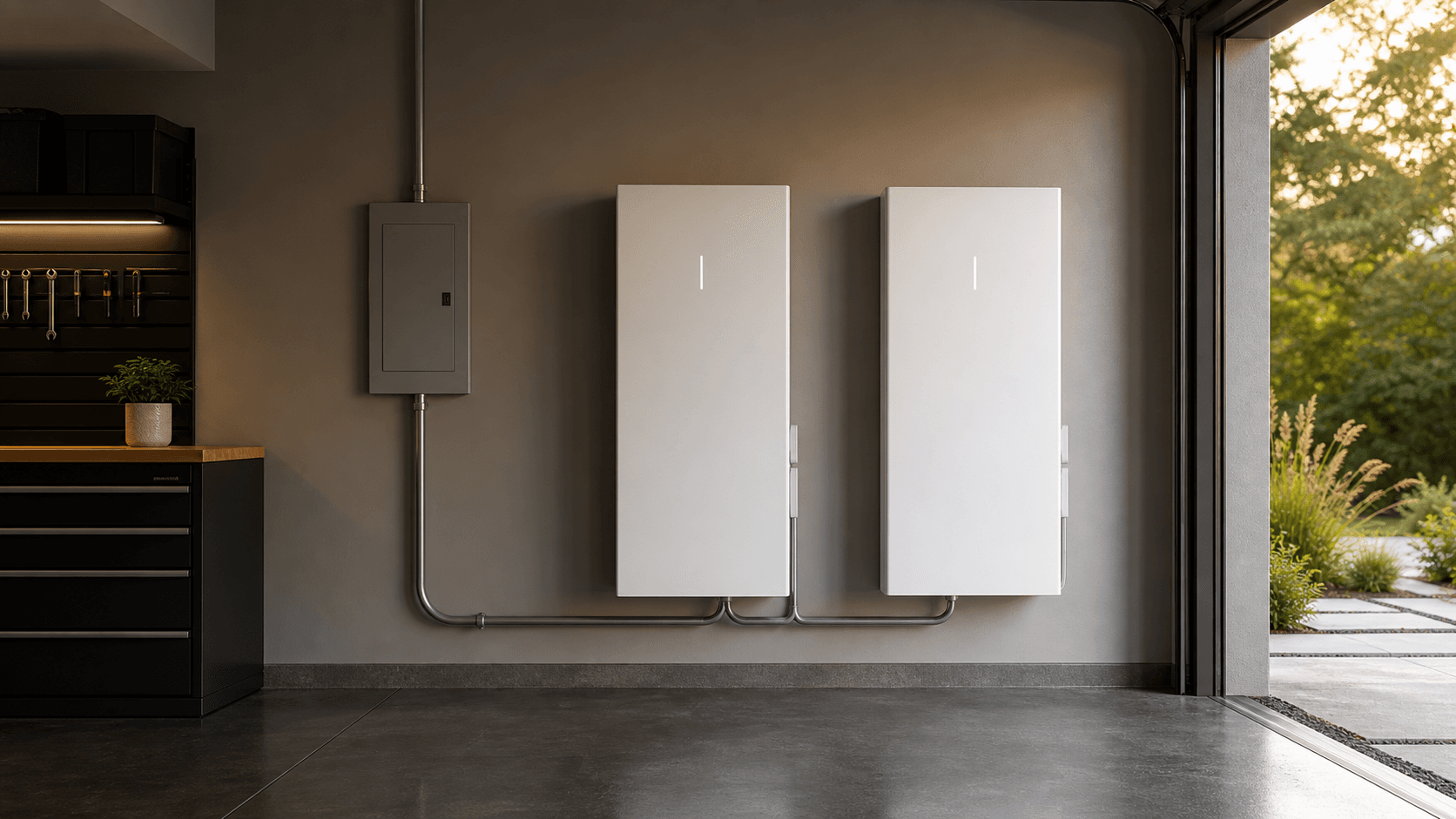
Evaluate optional storage around household priorities, compatible equipment, and the proposed solar design.
Project-specific cost review
A useful estimate separates core solar equipment from roof or structural work, service-panel changes, permit and inspection scope, optional battery storage, access, and payment terms. Current pricing and savings require an address-specific design and electricity-use review; neither is guaranteed by a citywide average.
Review solar cost and savings factors, compare solar financing options, explore home battery storage, check current California programs, or request an address-specific project review.
Prepare the exact address, a recent electric bill, roof age and known repairs, service-panel information, ownership or association approvals, and solar-versus-storage priorities. The written proposal should identify the current City submission path, SCE responsibilities, assumptions, exclusions, and milestones.
Address-specific review
Santa Ana is moving plan review and permitting to Accela, while its legacy property-information page remains unavailable. A responsible plan starts with the exact address, confirms the City's current submission path, and then separates local permit and inspection work from SCE interconnection.
Confirm incorporated Santa Ana jurisdiction and the current City submission route. The legacy property portal is unavailable during the Accela transition, and the 2022 worksheet must not be treated as current application instructions.
Confirm SCE service and the account's existing interconnection or billing status. City approval and SCE authorization remain separate property-specific reviews.
State and utility programs can change. Review the current California program sources before a program is included in a proposal.
Review current California programsA clear path
Each stage narrows the plan using property-specific information and current requirements.
Start with the property, contact details, and household energy goals.
Consider roof, shade, energy use, access, and the loads that matter most.
Compare a solar-only or solar-and-storage concept with documented assumptions.
Review responsibilities, requirements, options, and current project milestones in writing.
Santa Ana FAQ
Address-specific answers for the first stage of a residential project review.
The City's legacy property-information portal currently states that it is unavailable during the transition to Accela. The exact address and proposed scope should therefore be checked against the City's current Planning and Building instructions before relying on a submission route. The archived 2022 solar worksheet is useful background, not proof of the current application process.
Use the active electric bill and service account. If the account confirms Southern California Edison, match the proposed solar and battery scope to SCE's current interconnection process; City permits and inspection do not replace utility authorization.
System size, roof condition and structural work, service-panel or wiring needs, City review scope, optional battery storage, equipment selection, access, and written payment terms can all affect cost. A current estimate requires the property and electricity-use details rather than a citywide price assumption.
Battery storage can be evaluated after the household identifies priority loads and the review confirms location, electrical capacity, equipment compatibility, City requirements, and the serving utility's current rules. Backup duration and outage performance are design-specific.
Use the current California Public Utilities Commission consumer guidance and confirm SCE account status, eligibility, and any program terms before including them in a proposal. No incentive, rate treatment, or funding availability is assumed.
Review current California programsTiming depends on current City submission instructions, property and design review, permits and inspections, SCE interconnection, equipment, and scheduling. The Accela transition makes it especially important to confirm the current municipal path before documenting milestones.
Request a free solar installation quote based on your property, energy use, and goals.