
Address-by-Address Review
Availability and project fit require review for the specific property.

California
Sunburst Solar installs residential solar panels and home battery systems for California homeowners, with project details confirmed for the property, utility, and jurisdiction.
Availability and project fit require review for the specific property.
Identify the applicable utility, jurisdiction, permitting, and inspection steps.
Compare solar-only and solar-plus-storage concepts when the home and goals support them.
Review assumptions, responsibilities, options, and milestones in writing.
Solar in California
A useful California plan starts with the property itself, then accounts for the utility, local authority, equipment, rate structure, and household goals that shape the project.
Review roof condition and orientation, shade, available space, household electricity use, and optional storage goals before shaping a concept.
Confirm the city or county permitting authority and its current plan-review, fire, structural, and inspection requirements for the property.
Identify the serving electric utility and customer status before applying the relevant interconnection, billing, and export-compensation rules.
Record utility assumptions, the permit path, equipment, responsibilities, program verification, and next steps in writing.
System options
Start with the outcome you want, then evaluate the equipment and project structure that fit the property.

Review a rooftop solar concept using the home's roof, shade, energy use, and current project requirements.
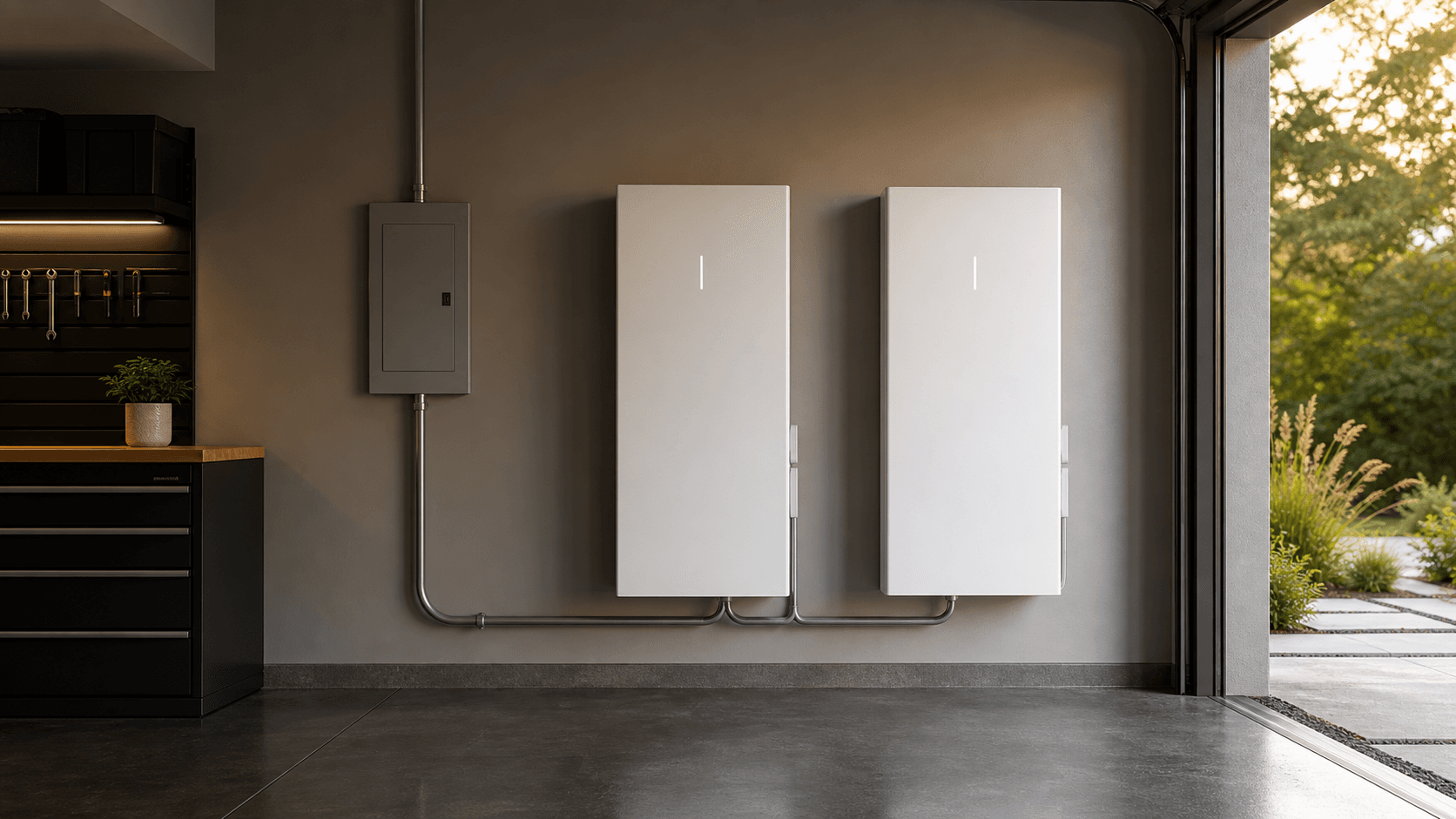
Evaluate storage around essential loads, solar self-consumption, outage priorities, and compatible equipment.
California service review
Sunburst serves homeowners across California, with final availability confirmed for each property, utility territory, jurisdiction, project type, and current capacity.
Region labels organize California inquiries; they are not a ZIP-level coverage promise. Service depends on the property, utility territory, jurisdiction, project type, and current capacity.
Current program check
California solar billing and export compensation depend on utility territory and whether a homeowner is an existing or new solar customer. The current Solar Billing Plan differs from older net-metering arrangements. Battery and paired solar-storage programs, including SGIP, have separate eligibility and budget rules; funding and reservation status can change. No program is included in a proposal until current eligibility is verified. The former federal residential credit is unavailable for expenditures after December 31, 2025. Consult a qualified tax professional.
Reviewed August 5, 2026EXPLORE LOCAL COMMUNITIES
Sunburst serves homeowners throughout California. These are selected community guides, not a complete service-area directory. Communities not listed may still be served; final availability is confirmed by address.
A clear path
Each stage narrows the plan using property-specific information and current requirements.
Start with the property, contact details, and household energy goals.
Consider roof, shade, energy use, access, and the loads that matter most.
Compare a solar-only or solar-and-storage concept with documented assumptions.
Review responsibilities, requirements, options, and current project milestones in writing.
California FAQ
Straightforward answers for the first stage of a property-specific review.
Share the property address for review. Sunburst serves residential customers in California, but final availability depends on the home, utility territory, local authority, project type, and current capacity. No statewide or ZIP-level qualification is automatic.
Roof condition and orientation, shade, household electricity use, available space, utility territory, customer status, local requirements, equipment compatibility, and optional storage goals all shape the plan.
Solar billing and battery-program rules vary by utility, customer status, eligibility, and current budget or reservation status. No program is assumed, and tax questions require review by a qualified tax professional.
Review current program detailsBattery storage is an optional companion to solar when the property, equipment, system design, utility rules, and household goals support it. The plan should document prioritized loads without promising a specific backup duration or outage performance.
The address identifies the electric utility and city or county authority. Current interconnection, billing, fire, structural, permit, inspection, and property requirements are then reviewed before the written plan is finalized.
Timing depends on property review, design, local permits, utility interconnection, equipment, inspections, and current capacity. A property-specific plan should provide current milestones instead of relying on a blanket California timeline.
Request a free solar installation quote based on your property, energy use, and goals.