
Address-by-Address Review
Availability and project fit require review for the specific property.

Maryland
Sunburst Solar installs residential solar panels and home battery systems for Maryland homeowners, with project details confirmed for the property, utility, and jurisdiction.
Availability and project fit require review for the specific property.
Identify the applicable utility, jurisdiction, permitting, and inspection steps.
Compare solar-only and solar-plus-storage concepts when the home and goals support them.
Review assumptions, responsibilities, options, and milestones in writing.
Solar in Maryland
A useful Maryland plan starts with the home itself, then accounts for the utility, jurisdiction, equipment, and household goals that shape the project.
Review roof, shade, access, energy use, and priorities before sizing a concept.
Confirm permit and inspection requirements for the property location.
Document the applicable interconnection and billing framework before proceeding.
Keep equipment, assumptions, responsibilities, and next steps clear in writing.
System options
Start with the outcome you want, then evaluate the equipment and project structure that fit the property.

Review a rooftop solar concept using the home's roof, shade, energy use, and current project requirements.
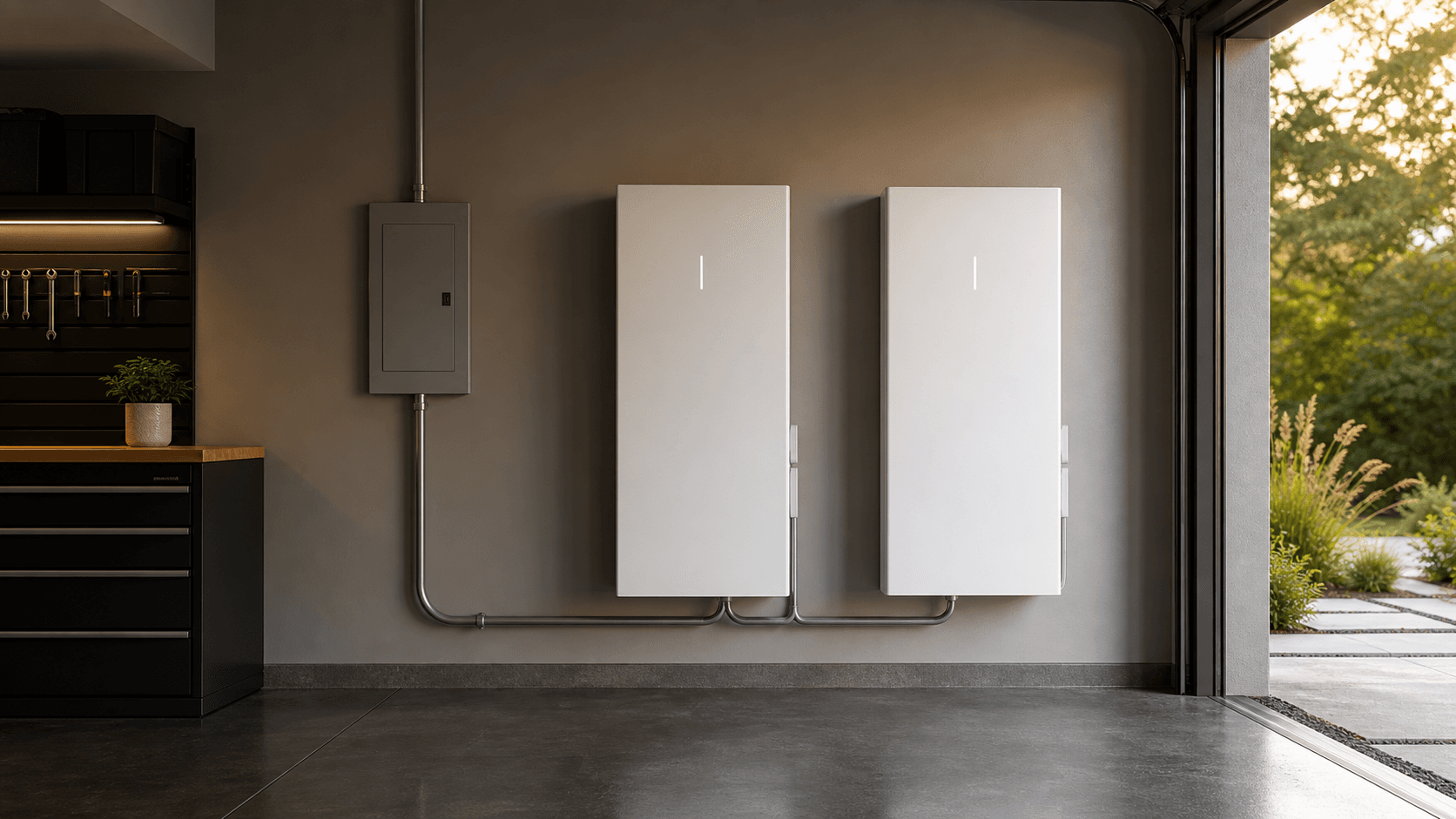
Evaluate storage around essential loads, solar self-consumption, outage priorities, and compatible equipment.
Maryland service review
Sunburst serves homeowners across Maryland, with final availability confirmed for each property, utility territory, jurisdiction, project type, and current capacity.
Region labels organize Maryland inquiries; they are not a ZIP-level coverage promise. Service depends on the property, utility territory, jurisdiction, project type, and current capacity.
2026 program check
Maryland program rules, funding, eligibility, contractor requirements, reservations, and application windows can change. Current availability must be confirmed for the property and project before a program is included in a proposal. The federal Residential Clean Energy Credit is not available for expenditures made after December 31, 2025. Review current program terms and consult a qualified tax professional before making a tax decision.
Reviewed July 31, 2026Explore Local Communities
Sunburst serves homeowners throughout Maryland. These guides highlight selected communities with dedicated planning information and are not a complete service-area list. Final availability is confirmed by address.
A clear path
Each stage narrows the plan using property-specific information and current requirements.
Start with the property, contact details, and household energy goals.
Consider roof, shade, energy use, access, and the loads that matter most.
Compare a solar-only or solar-and-storage concept with documented assumptions.
Review responsibilities, requirements, options, and current project milestones in writing.
Maryland FAQ
Straightforward answers for the first stage of a property-specific review.
Submit the property address for review. Maryland is an approved primary market, but serviceability depends on a property-by-property review of the address, utility territory, jurisdiction, project type, and current project capacity.
Roof condition and orientation, shade, household energy use, utility and jurisdiction requirements, equipment availability, and your ownership and backup-power goals can all affect the plan. To compare proposals, request the panel layout and models, estimated annual production, total installed price, any separate roof or electrical work, and an itemized price for optional storage. Review the scope and written terms before comparing payment options.
Review solar financing optionsProgram status, funding, eligibility, contractor requirements, and application timing can change. Review the current Maryland Energy Administration program pages and consult a qualified tax professional before relying on any incentive in a purchase decision.
Battery storage can be evaluated alongside solar when the property, equipment, system design, utility rules, and available provider or program support are compatible. A review should identify the household loads you want to prioritize.
Explore home battery storageRequirements vary by jurisdiction and utility territory. The written project documents should identify the required permits, interconnection steps, responsible parties, and assumptions for the specific address. The Towson guide shows how Baltimore County jurisdiction and bill-confirmed utility service are kept separate for that community.
Review Towson solar planningTiming depends on site review, design, permitting, utility review, equipment availability, and scheduling. A property-specific plan should provide current milestones instead of relying on a blanket timeline.
Request a free solar installation quote based on your property, energy use, and goals.