
Property Review
Review the home, roof, energy use, and project goals.

Fort Myers, FL
Sunburst Solar installs residential solar panels and home battery systems for homeowners in Fort Myers, with project details confirmed for the property, utility, and jurisdiction.
Review the home, roof, energy use, and project goals.
Confirm the applicable utility territory, local authority, and required project steps.
Compare solar-only and solar-plus-storage concepts when the property and goals support them.
Review assumptions, responsibilities, options, and milestones in writing.
Property-specific planning
For a Fort Myers property, verify City limits first, then align the roof and wind attachment design, electrical work, household use, permit documents, and utility hook-up information to the exact service address. Other Lee County jurisdictions and providers follow different paths.
Confirm City limits, roof and wind attachment, electrical service, permit history, household use, and the active utility account.
Use the City's boundary check and current solar trade checklist for an in-City property.
Confirm the provider from the account instead of inferring FPL or LCEC from the county or mailing name.
Keep City-boundary confirmation, roof and wind attachment, electrical work, permit checklist, inspections, and verified utility hook-up milestones in writing.
System options
Start with the outcome you want, then evaluate the equipment and project structure that fit the property.

Review a rooftop solar concept around the property, household energy use, and current project requirements.
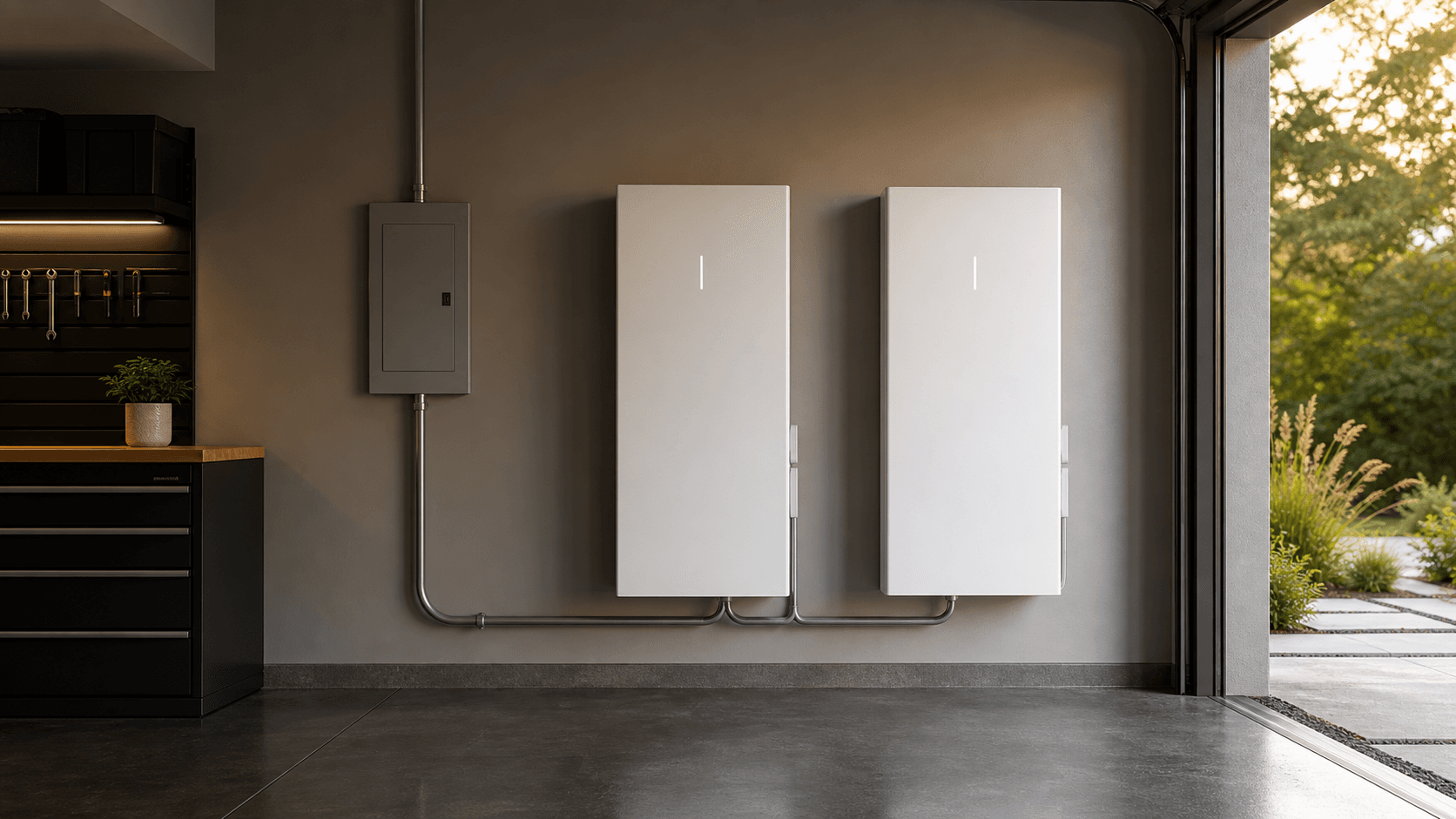
Evaluate optional storage around household priorities, compatible equipment, and the proposed solar design.
Project-specific cost review
A useful estimate separates the solar array from roof or structural work, wind and attachment design, electrical changes, City permit requirements, optional battery storage, access, equipment, and payment terms. Current cost and savings require property and electricity-use inputs.
Review solar cost and savings factors, compare solar financing options, explore home battery storage, check current Florida programs, or request an address-specific project review.
Prepare the exact address, recent electric bill, roof age and repairs, service-panel details, ownership approvals, and solar-versus-storage priorities. The written proposal should identify the verified jurisdiction, utility responsibilities, inclusions, exclusions, and milestones.
Address-specific review
Fort Myers review begins with City limits because local permit authority and electric utility can change across Lee County even when the mailing name looks similar.
Confirm the parcel is within Fort Myers rather than unincorporated Lee County or another municipality before using City permit resources.
City resources include an FPL hook-up path, while other Lee County areas can use another provider. The current bill and exact address control the utility review.
State and utility programs can change. Review the current Florida program sources before a program is included in a proposal.
Review current Florida programsA clear path
Each stage narrows the plan using property-specific information and current requirements.
Start with the property, contact details, and household energy goals.
Consider roof, shade, energy use, access, and the loads that matter most.
Compare a solar-only or solar-and-storage concept with documented assumptions.
Review responsibilities, requirements, options, and current project milestones in writing.
Fort Myers FAQ
Address-specific answers for the first stage of a residential project review.
Confirm that the parcel is inside Fort Myers rather than unincorporated Lee County or another municipality, then use the active electric bill to identify the serving utility. The mailing name alone establishes neither permit authority nor utility service.
Roof condition and attachment design, wind criteria, electrical service, household use, permit documents, utility requirements, equipment placement, and optional battery scope all shape the plan.
The City publishes a solar permit application and solar trade checklist. The current checklist calls for the applicable application, plans for photovoltaic work, engineered panel design and roof-attachment detail, electrical scope, and final inspection documentation. The exact submission should be confirmed for the property and contractor scope.
Optional storage can be evaluated after reviewing priority loads, electrical capacity, equipment compatibility, placement, local permit scope, and the serving utility's current requirements. Solar panels alone do not establish backup capability.
The Florida parent page maintains current official program and rule sources. Eligibility, utility treatment, funding, and availability must be confirmed before an option is included in project documents.
Review current Florida programsUse the current electric bill and service address rather than assuming a provider from the city or county name. If the account confirms FPL, its application, local-inspection documents, agreement, meter work, and authorization remain separate from the City permit.
Electricity use, planned system size, roof and attachment conditions, wind design, electrical work, City permit scope, optional battery storage, access, equipment, and payment terms can affect cost. Current pricing and savings require an address-specific design.
Timing varies with jurisdiction confirmation, property review, design, permit documents, inspections, utility review, equipment, and scheduling. A written plan should identify current responsibilities and milestones without promising a fixed turnaround.
Request a free solar installation quote based on your property, energy use, and goals.