
Property Review
Review the home, roof, energy use, and project goals.
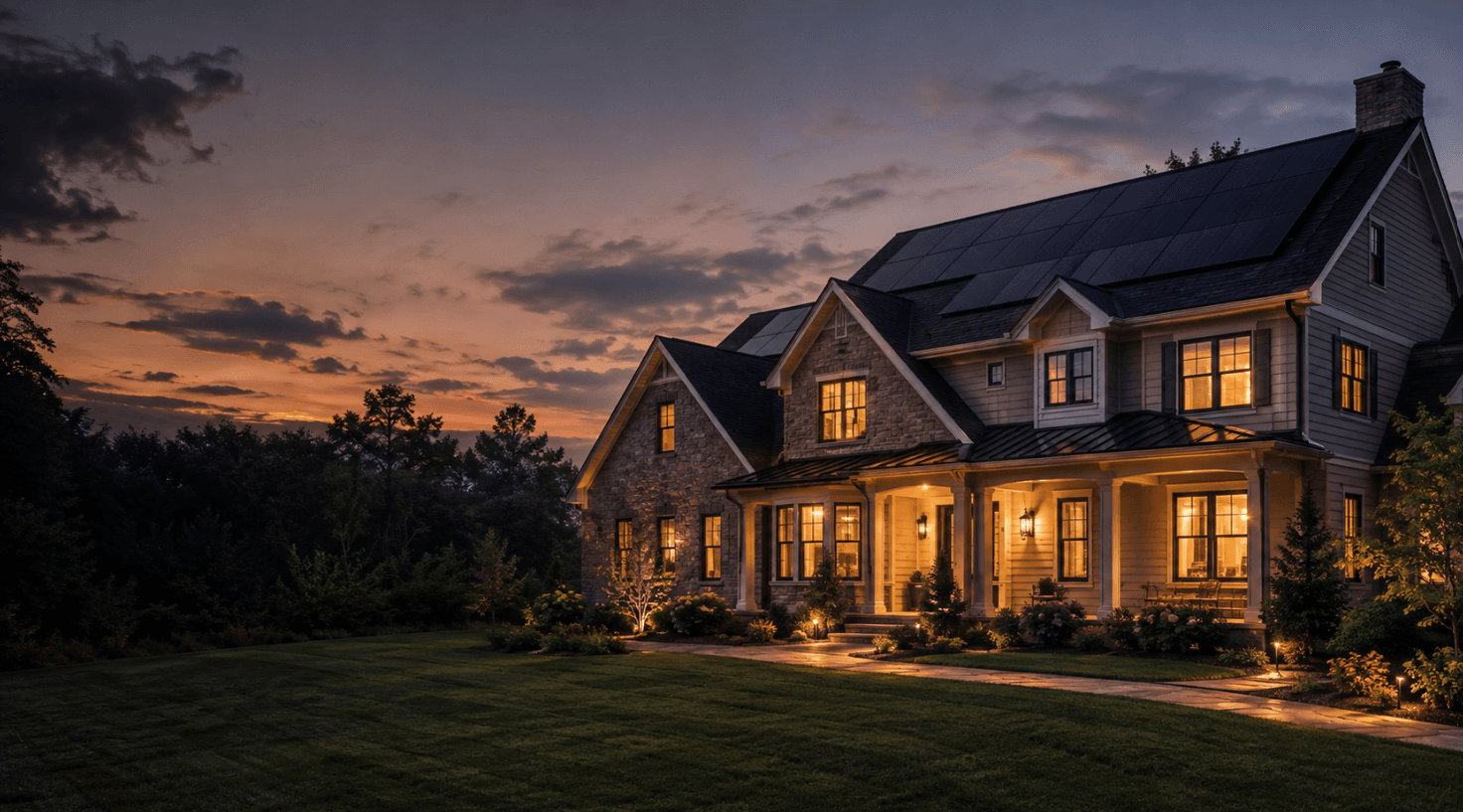
St. Petersburg, FL
Sunburst Solar installs residential solar panels and home battery systems for homeowners in St. Petersburg, with project details confirmed for the property, utility, and jurisdiction.
Review the home, roof, energy use, and project goals.
Confirm the applicable utility territory, local authority, and required project steps.
Compare solar-only and solar-plus-storage concepts when the property and goals support them.
Review assumptions, responsibilities, options, and milestones in writing.
Property-specific planning
For a St. Petersburg roof, identify the electrical, structural, roofing, and parcel-specific floodplain questions rather than assuming a minor-work path applies. Review service equipment, household use, optional storage, and current City records before documenting the concept.
Confirm City jurisdiction, roof and structural scope, electrical service, floodplain context where applicable, storage, and shade.
Treat electrical, structural, roofing, and flood-hazard work as scope-specific permit questions rather than assuming a minor-work exemption.
Verify Duke from the electric bill and keep customer-generation authorization separate from City inspection.
Keep City boundaries, roof, electrical, structural and floodplain scope, inspections, utility account, and Duke milestones in the written plan.
System options
Start with the outcome you want, then evaluate the equipment and project structure that fit the property.
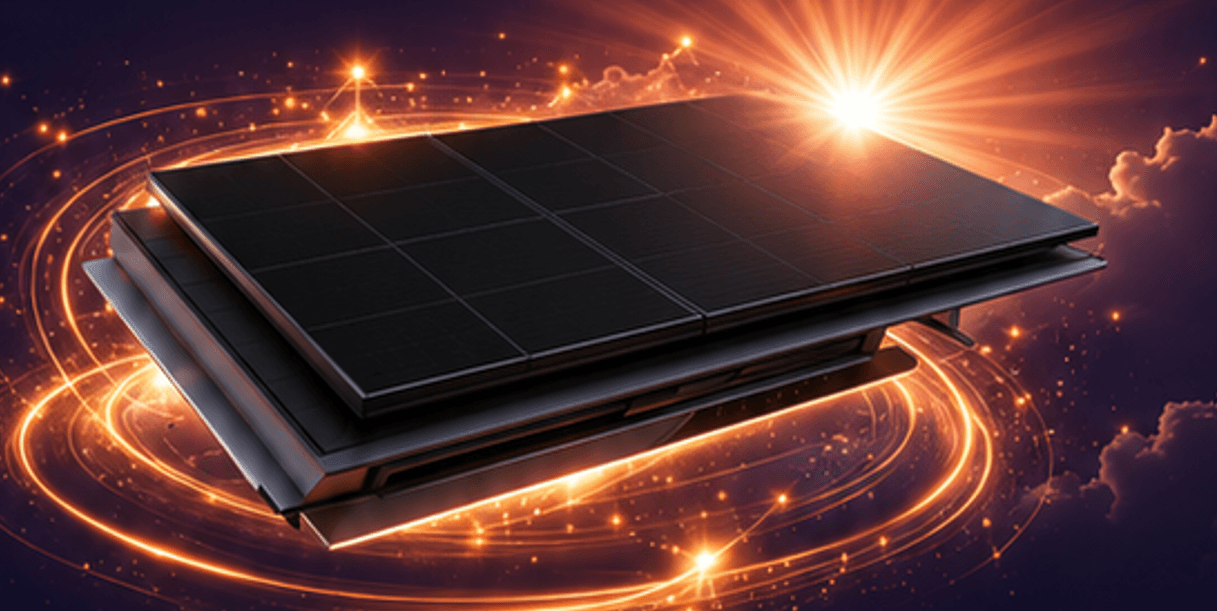
Review a rooftop solar concept around the property, household energy use, and current project requirements.
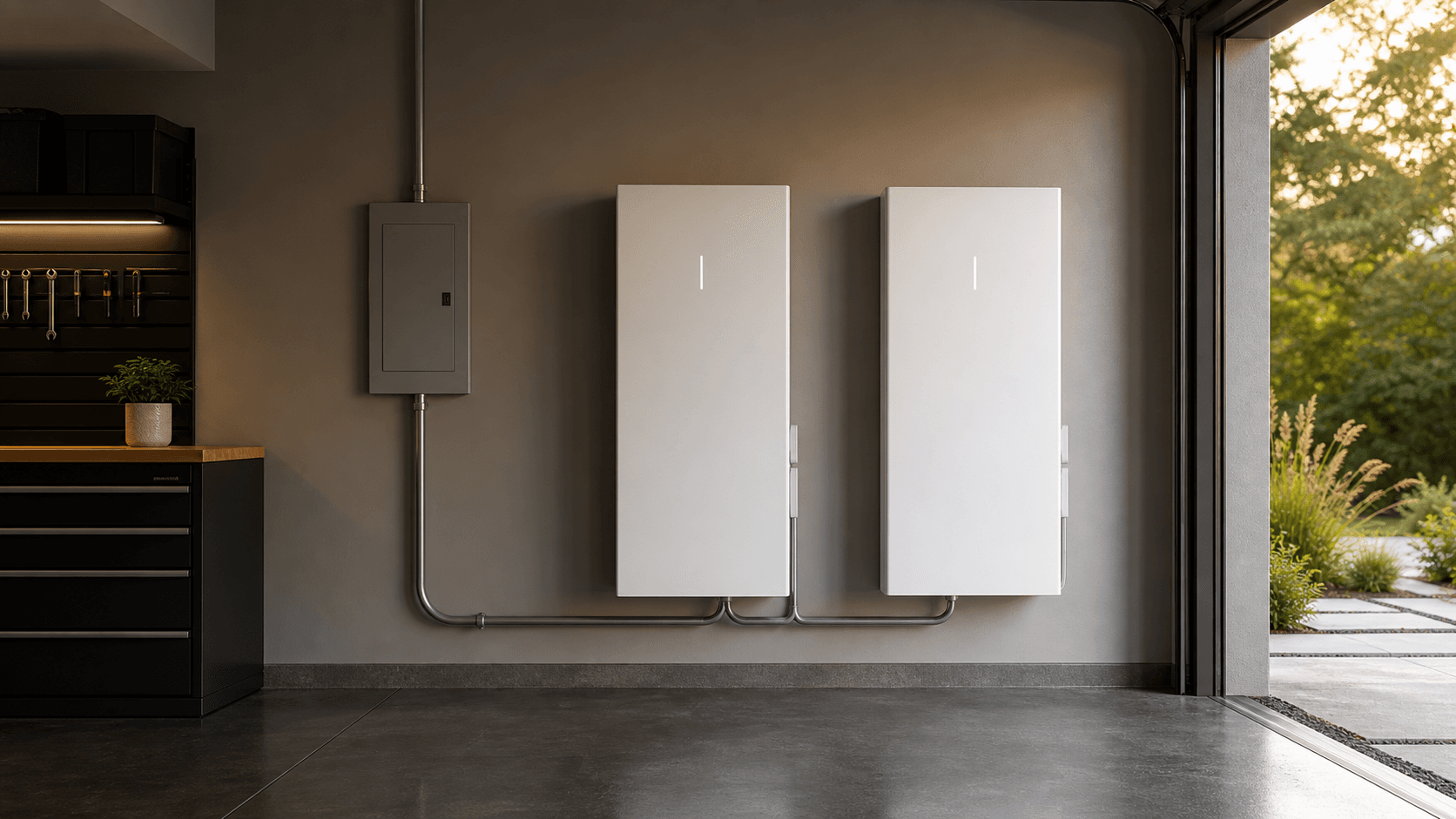
Evaluate optional storage around household priorities, compatible equipment, and the proposed solar design.
Address-specific review
St. Petersburg planning is strongest when structural, electrical, roofing, and parcel-specific flood questions are identified early and kept separate from the confirmed utility's review.
Use St. Petersburg Construction Services only for an in-City parcel; nearby Pinellas jurisdictions maintain separate permit processes.
Official records identify Duke Energy Florida, but confirm the electric account. A City water or sewer account does not prove the electric provider or interconnection route.
State and utility programs can change. Review the current Florida program sources before a program is included in a proposal.
Review current Florida programsA clear path
Each stage narrows the plan using property-specific information and current requirements.
Start with the property, contact details, and household energy goals.
Consider roof, shade, energy use, access, and the loads that matter most.
Compare a solar-only or solar-and-storage concept with documented assumptions.
Review responsibilities, requirements, options, and current project milestones in writing.
St. Petersburg FAQ
Address-specific answers for the first stage of a residential project review.
Provide the exact St. Petersburg property address and electric account. Nearby Pinellas jurisdictions and local water service do not establish the City permit or electric-utility path.
Roofing, electrical and structural scope, floodplain context where applicable, service equipment, household use, and current City and Duke requirements shape the plan.
Confirm the parcel is inside St. Petersburg and identify the exact structural, electrical, roofing, or floodplain scope, then verify Duke interconnection separately.
Optional battery storage can be discussed for a St. Petersburg property after reviewing household outage priorities, electrical conditions, equipment compatibility, and the serving utility's current requirements.
The Florida parent page maintains current official program sources. Terms and property eligibility must be confirmed before a program is included in a proposal.
Review current Florida programsTiming varies with design scope, structural or floodplain review where applicable, City permit and inspection, Duke review, equipment, and scheduling.
Request a free solar installation quote based on your property, energy use, and goals.