
Property Review
Review the home, roof, energy use, and project goals.
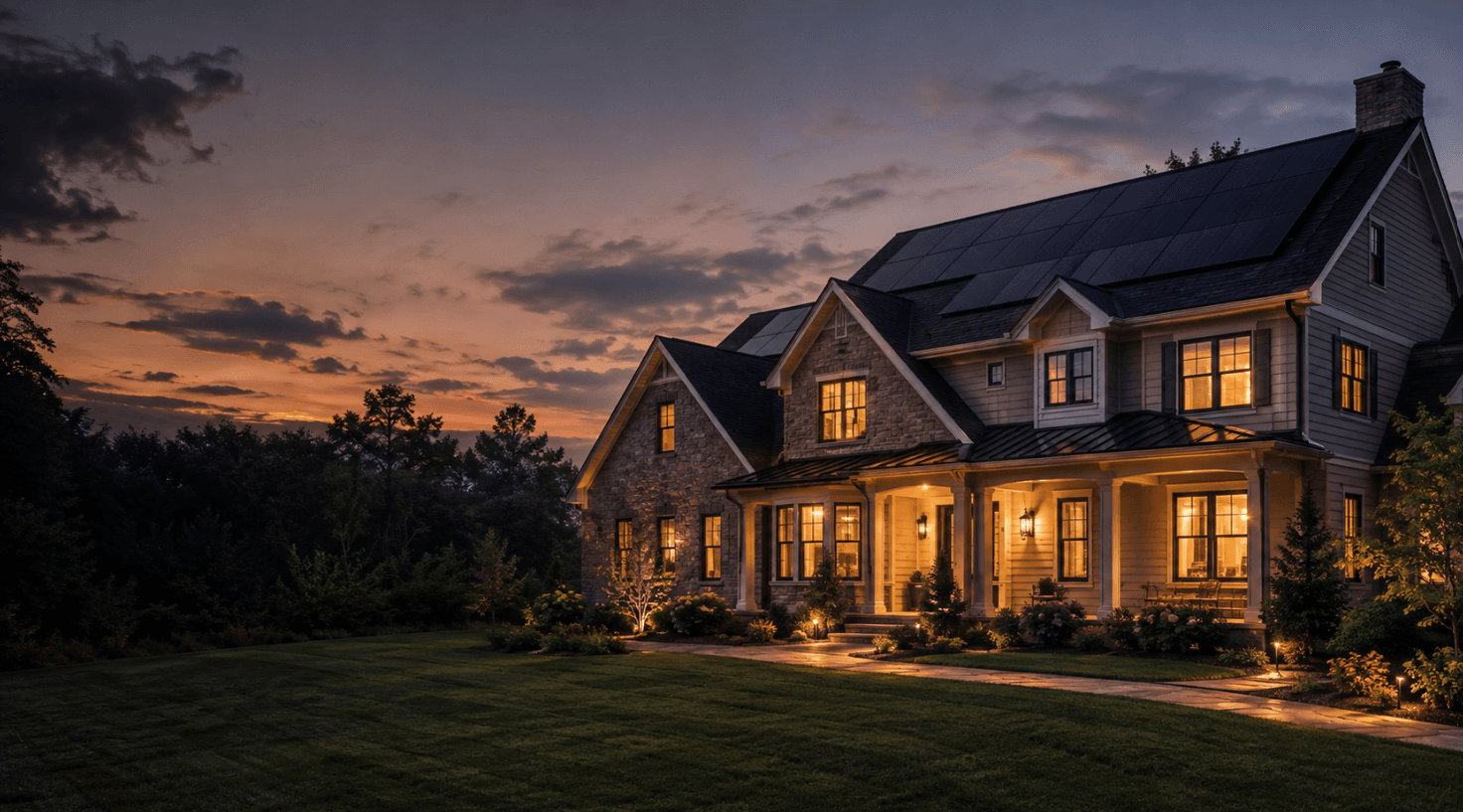
Bethesda, MD
Plan residential solar around your Bethesda property, Montgomery County permits, ownership context, verified utility, and optional battery-storage goals.
Review the home, roof, energy use, and project goals.
Confirm the applicable utility territory, local authority, and required project steps.
Compare solar-only and solar-plus-storage concepts when the property and goals support them.
Review assumptions, responsibilities, options, and milestones in writing.
Property-specific planning
Start with the Montgomery County parcel, building type, and ownership authority, then document roof control, structure, shade, electrical service, and any designated historic or mapped condition. The smaller Downtown Plan and historic review apply only where official records show them.
Review parcel location, detached, townhouse, or condominium ownership, roof control, structure, shade, electrical service, and historic status where applicable.
Use County parcel and ownership records. The Downtown Plan, historic districts, and other mapped conditions do not cover every Bethesda address.
Confirm the provider at the property instead of generalizing from broader Montgomery County service areas.
Keep parcel and ownership records, County building and electrical permits, applicable historic review, inspections, and utility milestones together.
System options
Start with the outcome you want, then evaluate the equipment and project structure that fit the property.

Review a rooftop solar concept around the property, household energy use, and current project requirements.
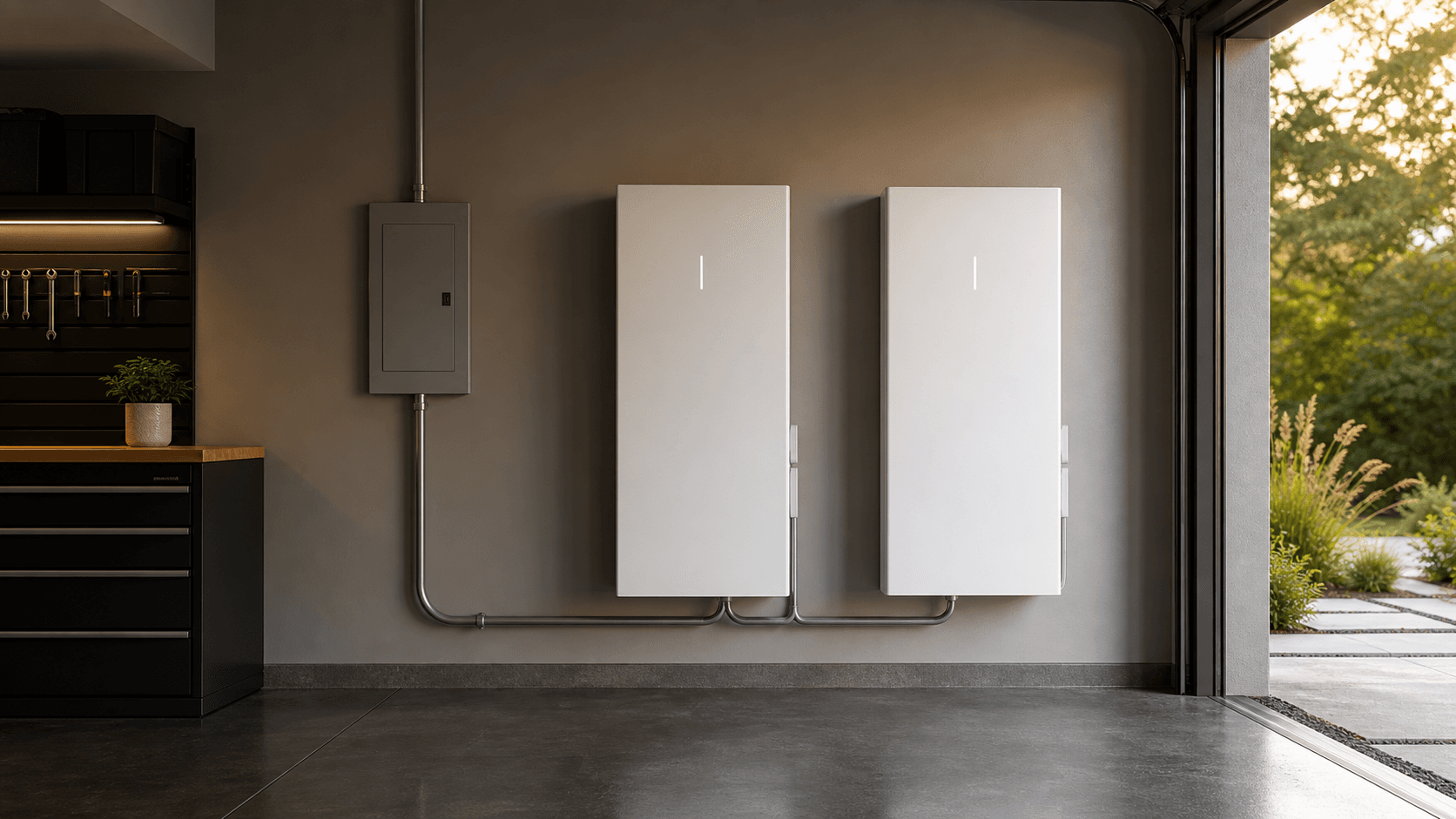
Evaluate optional storage around household priorities, compatible equipment, and the proposed solar design.
Project-specific cost review
Project cost depends on electricity use, planned system size, roof and structural conditions, electrical work, permit scope, ownership approvals, optional storage, equipment selection, and written payment terms. A property-specific review is required before current pricing or savings assumptions can be documented.
Review solar cost and savings factors, compare solar financing options, explore home battery storage, check current Maryland programs, or request an address-specific project review.
Prepare the exact address, current electric bill, ownership or association authorization, roof and building information, known electrical conditions, and household priorities. Those inputs support a written design, scope, responsibilities, assumptions, and milestones without promising approval, savings, or timing.
Address-specific review
Montgomery County separates the building permit for panel attachment from the electrical permit. Property and ownership review, applicable historic approval, inspections, and the verified utility's authorization remain distinct milestones.
Bethesda is an unincorporated community. Confirm the Montgomery County parcel, building type, ownership, and any applicable historic or mapped review before setting the permit path.
Do not infer one provider from a Bethesda address. Use the current electric account, then keep County approval and the verified utility's interconnection authorization separate.
State and utility programs can change. Review the current Maryland program sources before a program is included in a proposal.
Review current Maryland programsA clear path
Each stage narrows the plan using property-specific information and current requirements.
Start with the property, contact details, and household energy goals.
Consider roof, shade, energy use, access, and the loads that matter most.
Compare a solar-only or solar-and-storage concept with documented assumptions.
Review responsibilities, requirements, options, and current project milestones in writing.
Bethesda FAQ
Address-specific answers for the first stage of a residential project review.
Yes. Montgomery County identifies a building permit for panel attachment and a separate electrical permit for connection to the home's electrical service. The property's project eligibility determines whether eSolar or the standard application path applies.
Montgomery County's eSolar route is for eligible contractors with a valid Maryland Home Improvement Commission license and required training. The contractor and project must meet the current route requirements; this does not establish a Sunburst-specific license claim.
Use the current electric bill and service address rather than assigning a provider from the Bethesda mailing name. County permits and inspections remain separate from the verified utility's interconnection authorization.
Yes, for a designated historic site or property within a designated historic district. Montgomery Planning identifies a separate Historic Area Work Permit review under stated design conditions; it does not apply to every Bethesda address.
System size, roof and structural conditions, electrical work, permit scope, ownership approvals, optional storage, equipment selection, and written payment terms can change project cost. A property review is needed before current terms can be documented.
Eligible eSolar projects may include a new photovoltaic system with energy storage, but retrofits and other configurations can require a different route. Electrical scope, equipment compatibility, installation location, household priorities, and utility requirements still control the design.
Yes. Roof control, common-area authority, association requirements, building height, and ownership approval can change the permit and design path. Confirm those records before treating a roof or electrical area as available.
Use the current Maryland program section linked from this page. Funding, participating-contractor requirements, program terms, and address-level eligibility can change and must be verified before a program is referenced in a proposal.
Review current Maryland programsThe sequence depends on property and ownership review, design, any applicable historic review, County permits, inspections, utility review, equipment, and scheduling. No standard review or installation time is assured.
Request a free solar installation quote based on your property, energy use, and goals.