
Property Review
Review the home, roof, energy use, and project goals.

Silver Spring, MD
Sunburst Solar installs residential solar panels and home battery systems for homeowners in Silver Spring, with project details confirmed for the property, utility, and jurisdiction.
Review the home, roof, energy use, and project goals.
Confirm the applicable utility territory, local authority, and required project steps.
Compare solar-only and solar-plus-storage concepts when the property and goals support them.
Review assumptions, responsibilities, options, and milestones in writing.
Property-specific planning
Silver Spring is not one uniform development area. Its current downtown plan covers a defined core and selected adjacent communities, while many Silver Spring properties sit outside that boundary. Begin with the parcel and building type before reviewing roof, shade, ownership, and County permit requirements.
Identify the parcel, building and ownership type, roof form, shade, and any mapped plan area.
Use County parcel and permit records; the downtown plan covers only a defined part of Silver Spring.
Use the current account to identify the provider instead of inferring service from the mailing label.
Document parcel jurisdiction, building and ownership conditions, permit responsibilities, and utility review.
System options
Start with the outcome you want, then evaluate the equipment and project structure that fit the property.

Review a rooftop solar concept around the property, household energy use, and current project requirements.
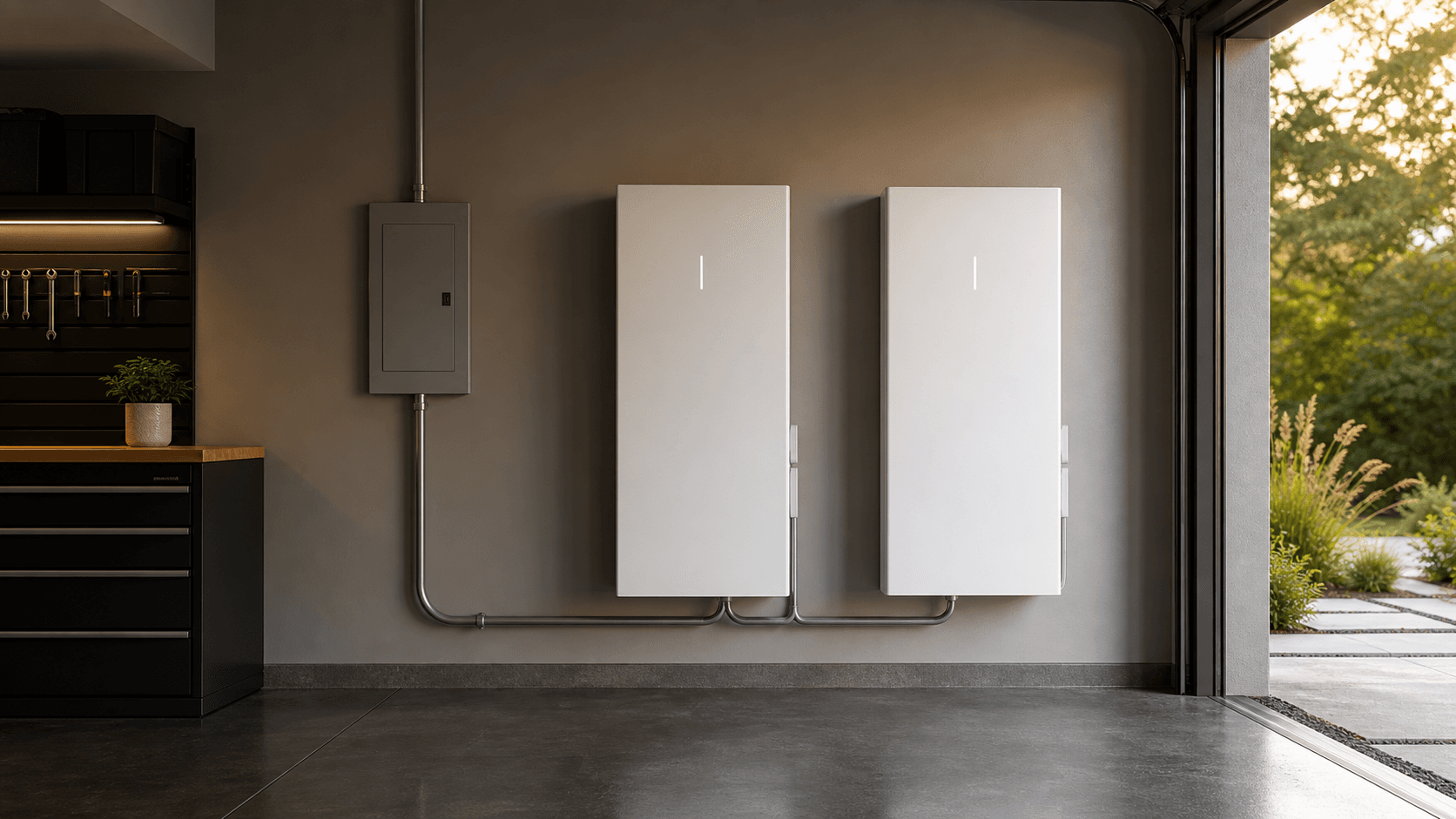
Evaluate optional storage around household priorities, compatible equipment, and the proposed solar design.
Silver Spring project
Completed in April 2026, this Silver Spring project uses 40 SEG solar panels with Enphase microinverters, for a total system size of 17.6 kW. The installation did not include battery storage.
Project-specific cost review
Project cost can vary with system size, property and ownership type, roof condition, electrical scope, optional battery capacity, and the financing structure. Cash payment, a loan, or a power purchase agreement (PPA) may be considered only under current project-specific terms; availability, qualification, and tax treatment are not guaranteed.
Review solar cost and savings factors, compare solar financing options, explore home battery storage, check current Maryland programs, or request an address-specific project review.
Roof condition is reviewed as part of project planning. If replacement is needed, Sunburst may coordinate the work through a roofing subcontractor. Payment, financing, and insurance treatment depend on the project and applicable provider or coverage terms; no financing or insurance coverage is guaranteed.
Address-specific review
Silver Spring includes a defined downtown-and-adjacent-communities plan area as well as many properties outside it, so parcel and building context matter more than the mailing name.
Silver Spring is unincorporated. Confirm the Montgomery County parcel and applicable planning or permit context rather than treating the postal label as a municipal boundary.
A Silver Spring address does not establish one provider. Confirm the current electric account, then keep Montgomery County permits and utility authorization as separate reviews.
State and utility programs can change. Review the current Maryland program sources before a program is included in a proposal.
Review current Maryland programsA clear path
Each stage narrows the plan using property-specific information and current requirements.
Start with the property, contact details, and household energy goals.
Consider roof, shade, energy use, access, and the loads that matter most.
Compare a solar-only or solar-and-storage concept with documented assumptions.
Review responsibilities, requirements, options, and current project milestones in writing.
Silver Spring FAQ
Address-specific answers for the first stage of a residential project review.
Submit the exact property address. Silver Spring is an unincorporated community, and the mailing label does not by itself establish the parcel boundary, utility, or final project fit.
Parcel location, building and ownership type, roof form, shade, energy use, County requirements, and the serving utility all affect the planning path.
Montgomery County parcel tools and permit guidance establish the local review path. The electric account separately identifies the provider and current interconnection process.
Optional battery storage can be evaluated with solar after checking property access, electrical conditions, ownership approvals, equipment compatibility, and the provider's current rules.
The Maryland parent page maintains the current program-source links. Verify terms and property eligibility before any program is reflected in a proposal.
Timing varies with building and ownership review, design, County permitting, utility review, equipment, and scheduling. A downtown or multifamily context may differ from a detached home elsewhere in the community.
Ask each company for a written proposal showing the panel layout, panel and inverter models, estimated annual electricity production, and total installed price. Have optional battery storage and any roof or electrical work priced separately. Compare the production assumptions, warranty terms, and who is responsible for permits and utility approval. Review the complete project scope before comparing cash, loan, or PPA payment options, and confirm which options are available for your property.
System size, property and ownership type, roof condition, electrical scope, optional battery capacity, and financing structure can all affect cost. Current project-specific terms are needed before comparing options.
If roof replacement is needed, Sunburst may coordinate the work through a roofing subcontractor. Payment, financing, and insurance treatment depend on the project and applicable provider or coverage terms and are not guaranteed.
Request a free solar installation quote based on your property, energy use, and goals.