
Property Review
Review the home, roof, energy use, and project goals.
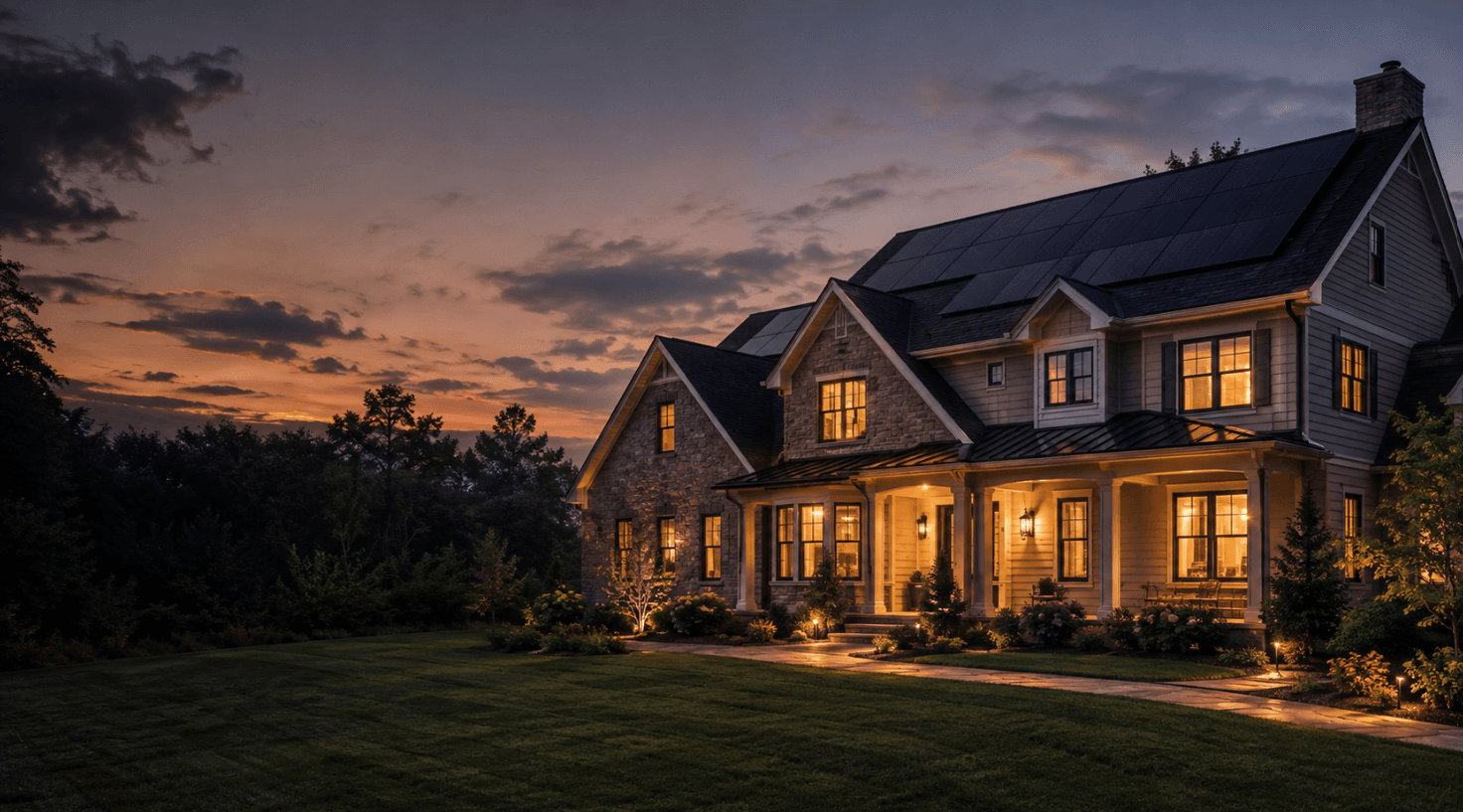
Towson, MD
Sunburst Solar installs residential solar panels and home battery systems for homeowners in Towson, with project details confirmed for the property, utility, and jurisdiction.
Review the home, roof, energy use, and project goals.
Confirm the applicable utility territory, local authority, and required project steps.
Compare solar-only and solar-plus-storage concepts when the property and goals support them.
Review assumptions, responsibilities, options, and milestones in writing.
Property-specific planning
Towson's property context changes between its urban core and surrounding residential areas. Start with the Baltimore County parcel, building and ownership type, roof access, structure, shade, electrical service, and whether the property lies within the mapped Downtown Towson District before selecting a design and review path.
Identify the Baltimore County parcel, building and ownership type, roof access, shade, electrical service, and mapped Downtown Towson context.
Use Baltimore County parcel records; Towson has no separate municipal permit authority.
Confirm the provider from the account; County permits do not constitute utility permission to operate.
Record the Baltimore County parcel, Downtown Towson finding, building and ownership type, permit scope, and verified utility milestones.
System options
Start with the outcome you want, then evaluate the equipment and project structure that fit the property.

Review a rooftop solar concept around the property, household energy use, and current project requirements.
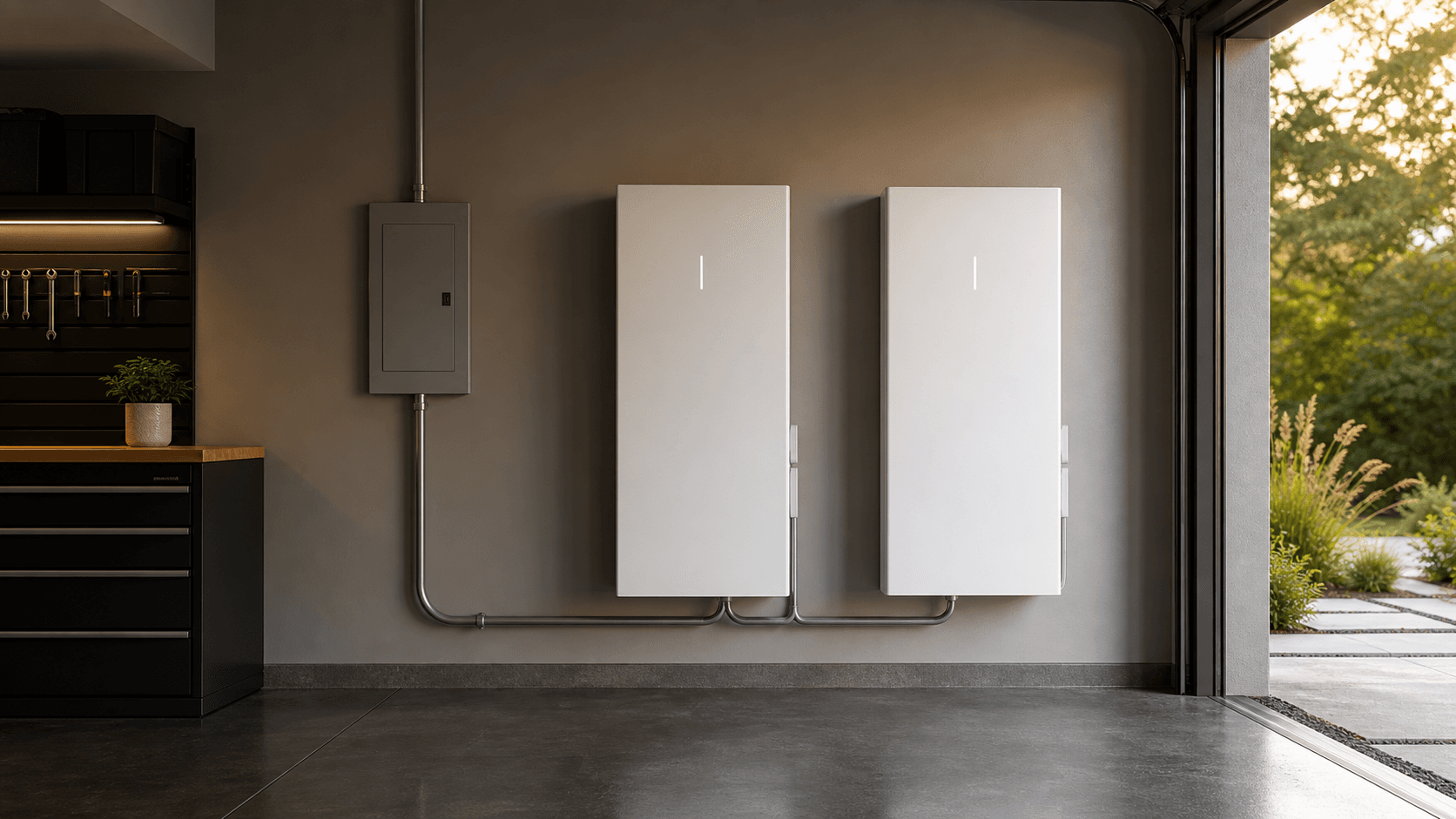
Evaluate optional storage around household priorities, compatible equipment, and the proposed solar design.
Project-specific cost review
A useful estimate separates the solar array from roof or structural work, electrical changes, Baltimore County review, ownership approvals, optional storage, access, and payment terms. Current cost and savings require property and electricity-use inputs rather than a Towson-wide average.
Review solar cost and savings factors, compare solar financing options, explore home battery storage, check current Maryland programs, or request an address-specific project review.
Prepare the exact address, current electric bill, roof age and known repairs, building and ownership information, service-panel details, and solar-versus-storage priorities. The written proposal should identify County and utility responsibilities, assumptions, exclusions, and milestones.
Address-specific review
Towson ranges from an urban center with multifamily and institutional buildings to surrounding residential properties. The exact Baltimore County parcel, building and ownership type, Downtown Towson status, roof access, and electrical conditions determine which questions belong in a solar review.
Towson is an unincorporated census-designated place. Baltimore County handles local review, and mapped Downtown Towson conditions apply only where the parcel falls within that district.
If BGE appears on the bill, County approval and BGE interconnection remain distinct. The address and current account should confirm the provider before that pathway is used.
State and utility programs can change. Review the current Maryland program sources before a program is included in a proposal.
Review current Maryland programsA clear path
Each stage narrows the plan using property-specific information and current requirements.
Start with the property, contact details, and household energy goals.
Consider roof, shade, energy use, access, and the loads that matter most.
Compare a solar-only or solar-and-storage concept with documented assumptions.
Review responsibilities, requirements, options, and current project milestones in writing.
Towson FAQ
Address-specific answers for the first stage of a residential project review.
Towson is unincorporated, so Baltimore County is the local permit and inspection authority. The County's published solar guidance distinguishes electrical work from scopes that can require building review, but its dated technical references and the exact project requirements should be confirmed for the proposed design.
Use the active electric bill rather than the Towson mailing address. If it confirms BGE, use BGE's current interconnection pathway; Baltimore County permits and inspection do not grant utility permission to operate.
System size, roof and structural conditions, building and ownership type, electrical work, County permit scope, optional storage, access, equipment, and written payment terms can all affect cost. Current pricing and savings require an address-specific design and electricity-use review.
Battery storage can be evaluated after reviewing priority loads, equipment location, electrical capacity, compatibility, Baltimore County requirements, and the verified utility's rules. Backup duration and outage performance depend on the approved design.
As reviewed August 21, 2026, the Maryland Energy Administration lists the FY27 application portal as open to new applications and states that it may close before the May 31, 2027 deadline if requested funding exceeds the budget. Income, participating-contractor, reservation, and other requirements apply. Recheck the official page; this does not establish Sunburst eligibility or reserve funding.
Review current Maryland programsThe sequence depends on parcel and building review, design, Baltimore County permitting and inspection, verified-utility review, equipment, and scheduling. Multifamily, condominium, or Downtown Towson properties can require different ownership and review steps than a detached home.
Request a free solar installation quote based on your property, energy use, and goals.