
Property Review
Review the home, roof, energy use, and project goals.
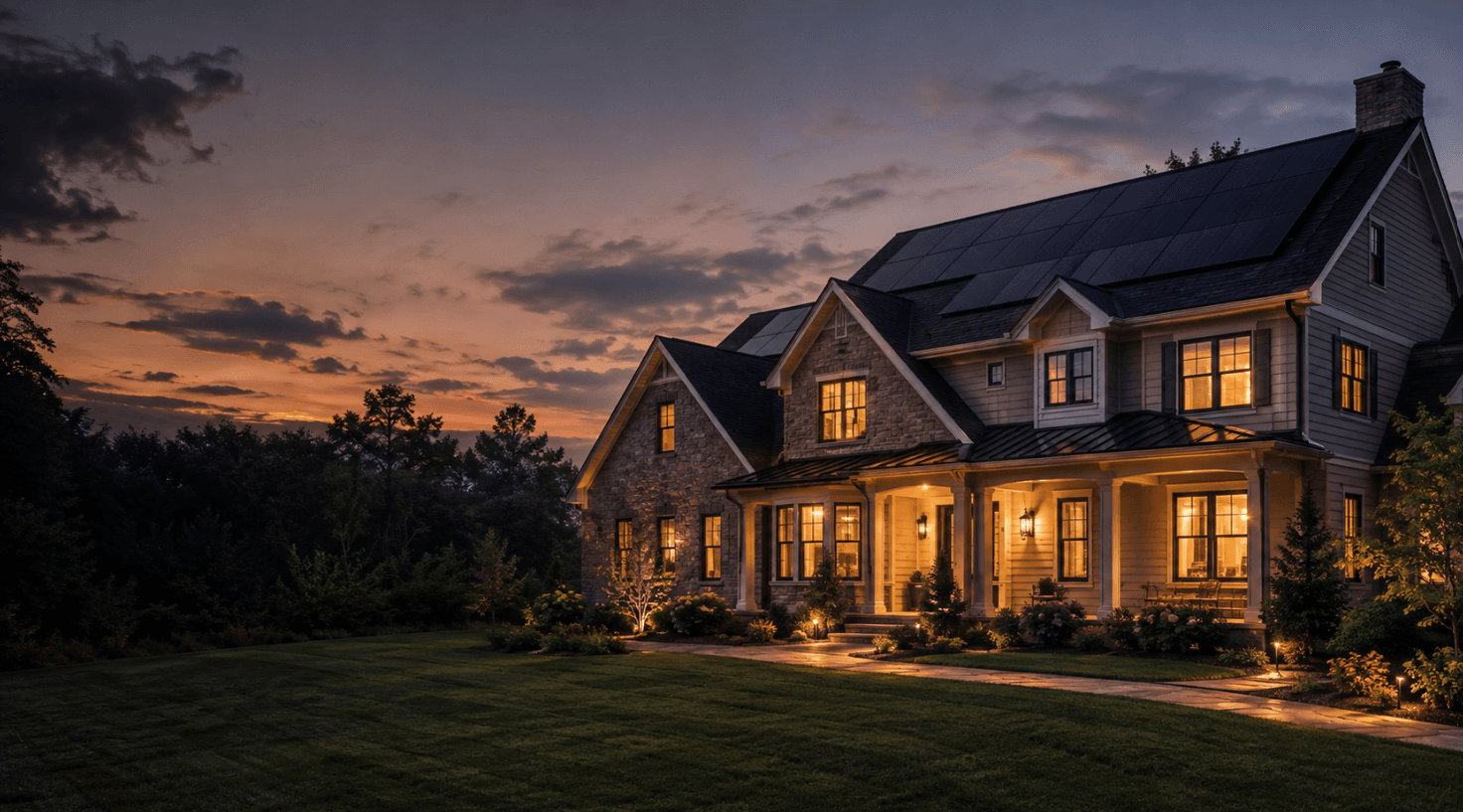
Chantilly, VA
Sunburst Solar installs residential solar panels and home battery systems for homeowners in Chantilly, with project details confirmed for the property, utility, and jurisdiction.
Review the home, roof, energy use, and project goals.
Confirm the applicable utility territory, local authority, and required project steps.
Compare solar-only and solar-plus-storage concepts when the property and goals support them.
Review assumptions, responsibilities, options, and milestones in writing.
Property-specific planning
A Chantilly postal label can place a property in Fairfax County or Loudoun County, while the Census CDP is a statistical area represented in Fairfax County's demographic materials. On the Fairfax side, Dulles Suburban Center planning reflects a mix of residential neighborhoods and employment or mixed-use areas near the airport. Resolve the parcel's county first, then apply Fairfax's rooftop or freestanding route or Loudoun's building, electrical, and ground-mount zoning route.
Resolve the county and parcel, then review the planning area, building and ownership type, roof or site, shade, and electrical conditions.
Resolve Fairfax County versus Loudoun County from the parcel before choosing a plan, permit route, or provider.
County and provider both require address-level confirmation because the postal area crosses jurisdiction lines.
Record the parcel's county, planning context, permit portal, site conditions, and verified provider steps.
System options
Start with the outcome you want, then evaluate the equipment and project structure that fit the property.

Review a rooftop solar concept around the property, household energy use, and current project requirements.
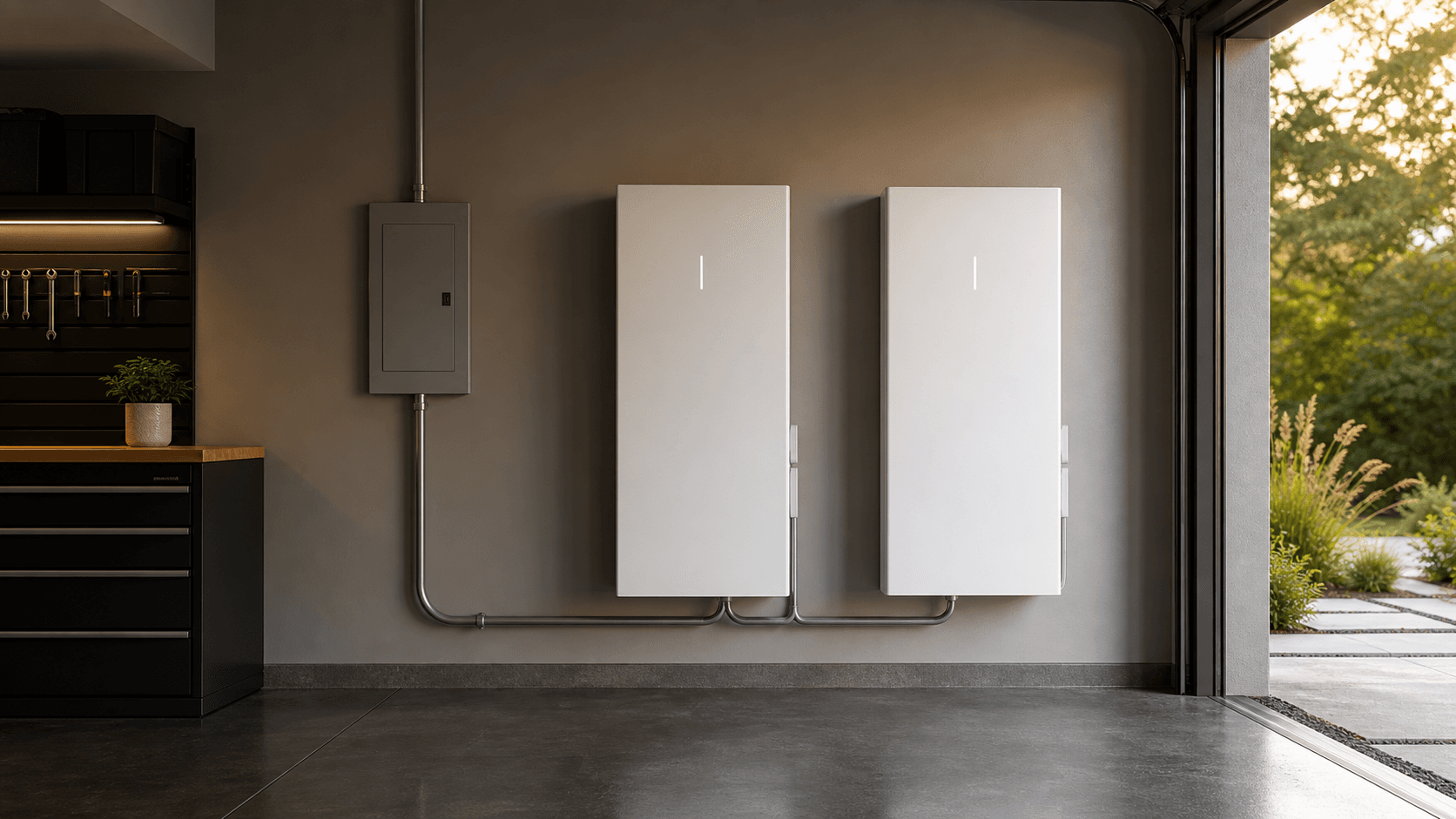
Evaluate optional storage around household priorities, compatible equipment, and the proposed solar design.
Project-specific cost review
A useful estimate separates the solar equipment from roof or structural work, ground-mount site work where applicable, electrical changes, Fairfax or Loudoun review, optional battery storage, access, and payment terms. Current cost and savings require property and electricity-use inputs.
Review solar cost and savings factors, compare solar financing options, explore home battery storage, check current Virginia programs, or request an address-specific project review.
Prepare the exact address, county property record, recent electric bill, roof age and repairs or proposed ground-mount area, service-panel details, ownership approvals, and solar-versus-storage priorities. The written proposal should identify the verified jurisdiction, utility, inclusions, exclusions, and milestones.
Address-specific review
Fairfax-side Chantilly includes Dulles Suburban Center planning near Routes 28 and 50, while Loudoun-addressed properties follow Loudoun plans and permits; no single postal-area rule covers both.
Chantilly is a census-designated place, not an incorporated town. The Census CDP is associated with Fairfax County, while the Chantilly postal label also appears on Loudoun County properties.
Do not infer a provider from a Chantilly mailing label. Confirm the parcel's jurisdiction, current account, and SCC service information before using Dominion Energy Virginia or NOVEC requirements.
State and utility programs can change. Review the current Virginia program sources before a program is included in a proposal.
Review current Virginia programsA clear path
Each stage narrows the plan using property-specific information and current requirements.
Start with the property, contact details, and household energy goals.
Consider roof, shade, energy use, access, and the loads that matter most.
Compare a solar-only or solar-and-storage concept with documented assumptions.
Review responsibilities, requirements, options, and current project milestones in writing.
Chantilly FAQ
Address-specific answers for the first stage of a residential project review.
Start with the exact property address and resolve Fairfax County versus Loudoun County. The postal label alone does not establish jurisdiction, provider, property fit, or current availability.
The verified county, parcel zoning and overlays, building and ownership type, roof or site conditions, shade, energy use, electrical needs, and serving provider all shape the plan. Fairfax-side and Loudoun-side properties follow different local review paths.
County property tools confirm whether Fairfax or Loudoun requirements apply, while the current electric bill confirms the provider. The postal name and ZIP code should not substitute for either check.
A verified Fairfax County parcel uses Fairfax Land Development Services, which requires a residential solar permit for roof-mounted and freestanding projects. A verified Loudoun County parcel uses Loudoun's separate rooftop or ground-mounted permit path. Confirm the parcel before selecting forms or reviews.
Optional storage can be reviewed after confirming the county, property and electrical conditions, equipment compatibility, household priorities, and the verified provider's current requirements.
Use the official program sources collected on the Virginia planning page. Program terms can change, so current state and utility requirements should be verified before an option is included in a proposal.
Electricity use, planned system size, roof or ground-mount scope, structural and electrical work, Fairfax or Loudoun permit requirements, optional battery storage, access, equipment, and payment terms can affect cost. Current pricing and savings require property-specific inputs.
County and parcel verification, design, rooftop or ground-mounted requirements, local permits, utility review, equipment, and scheduling can all affect the sequence. No single schedule applies across both counties.
Request a free solar installation quote based on your property, energy use, and goals.