
Property Review
Review the home, roof, energy use, and project goals.
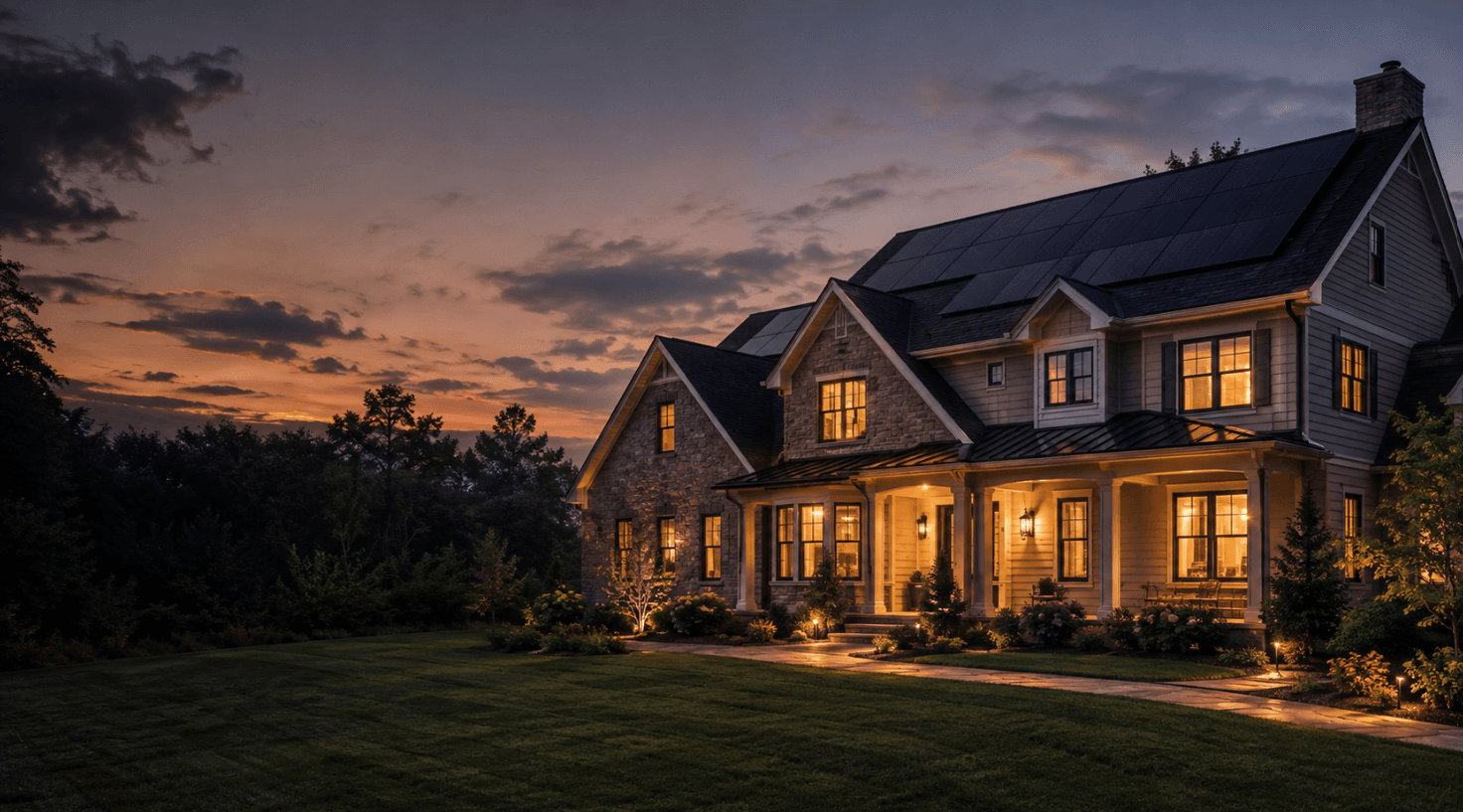
McLean, VA
Sunburst Solar installs residential solar panels and home battery systems for homeowners in McLean, with project details confirmed for the property, utility, and jurisdiction.
Review the home, roof, energy use, and project goals.
Confirm the applicable utility territory, local authority, and required project steps.
Compare solar-only and solar-plus-storage concepts when the property and goals support them.
Review assumptions, responsibilities, options, and milestones in writing.
Property-specific planning
Fairfax County's McLean Planning District is mostly stable, low-density residential outside Tysons, the McLean Community Business Center, and the West Falls Church transit area, with lower-density large-lot planning near the Potomac; the Census CDP and planning district are not identical. The County permit guide covers both rooftop and freestanding systems and treats some condominium and apartment buildings as commercial, so parcel and building type, not McLean alone, set the review path.
Identify the Fairfax County parcel, building and roof-control type, planning area, structure, shade, and electrical conditions.
Use Fairfax County parcel and planning records; McLean has no separate municipal permit authority.
Use the current account and confirmed service territory rather than assigning a provider from the McLean name.
Record the Fairfax County parcel, building and roof-control context, permit route, and verified provider steps.
System options
Start with the outcome you want, then evaluate the equipment and project structure that fit the property.

Review a rooftop solar concept around the property, household energy use, and current project requirements.
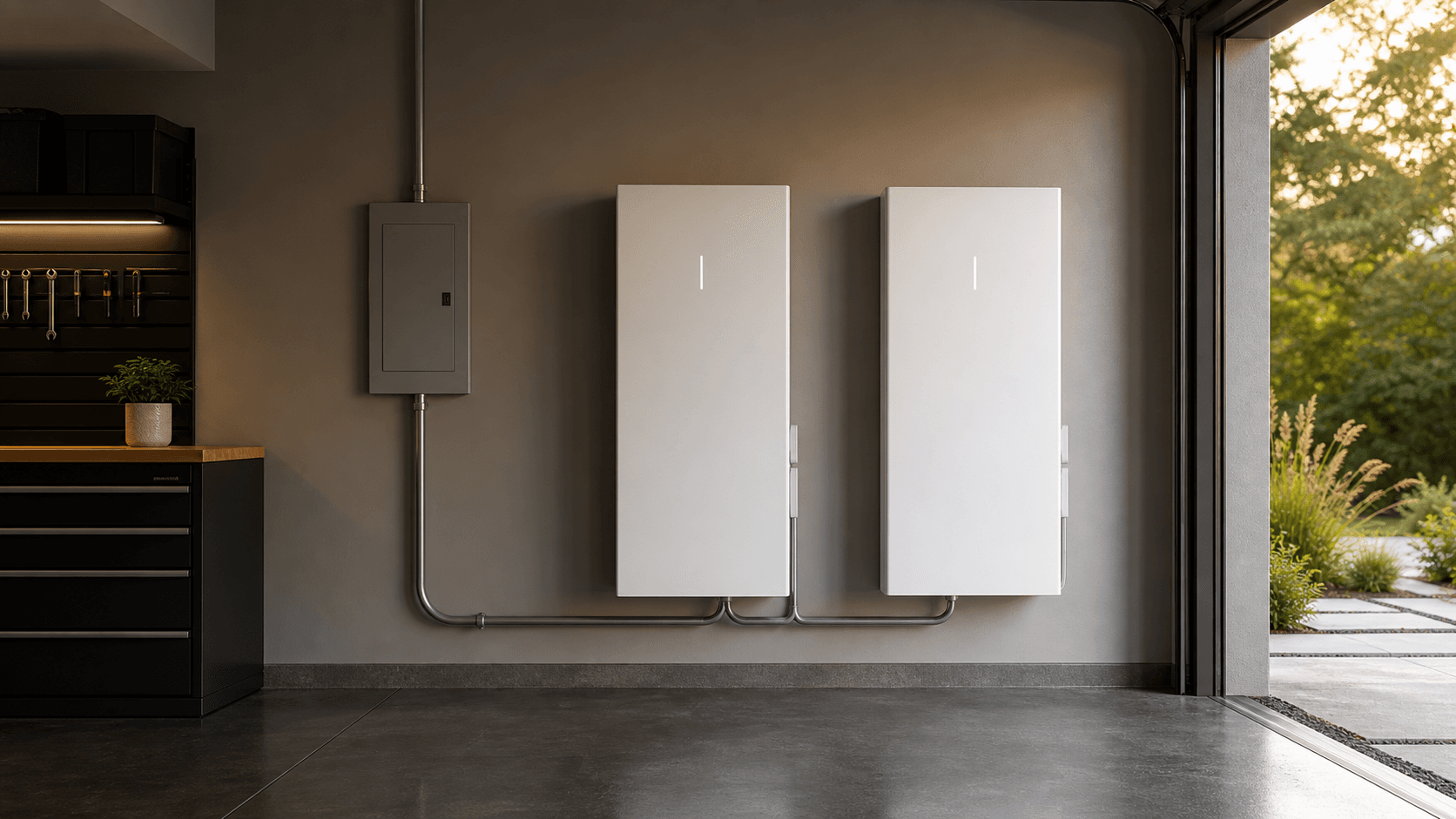
Evaluate optional storage around household priorities, compatible equipment, and the proposed solar design.
Address-specific review
The McLean Planning District is largely lower-density residential outside the Community Business Center and nearby transit-oriented areas, with additional large-lot context near the Potomac.
McLean is an unincorporated census-designated community in Fairfax County. Its CDP, mailing area, and County planning district should not be treated as identical boundaries.
Fairfax County contains both Dominion Energy Virginia and NOVEC service territories. Confirm the current account and address before selecting the provider's interconnection pathway.
State and utility programs can change. Review the current Virginia program sources before a program is included in a proposal.
Review current Virginia programsA clear path
Each stage narrows the plan using property-specific information and current requirements.
Start with the property, contact details, and household energy goals.
Consider roof, shade, energy use, access, and the loads that matter most.
Compare a solar-only or solar-and-storage concept with documented assumptions.
Review responsibilities, requirements, options, and current project milestones in writing.
McLean FAQ
Address-specific answers for the first stage of a residential project review.
Start with the exact Fairfax County property address. McLean is an unincorporated community, so the parcel, building and ownership type, provider, property fit, and current availability must be confirmed rather than relying on a municipal boundary.
The Fairfax County parcel and planning area, building and roof-control type, structure, shade, site conditions, energy use, electrical needs, and verified provider all shape the plan. Census, mailing, and planning boundaries are not interchangeable.
Fairfax County records confirm the parcel and permit route, while the current electric bill identifies the provider because both Dominion Energy Virginia and NOVEC serve parts of the County. Local review and utility authorization remain separate.
Optional storage can be evaluated after confirming building and roof control, electrical conditions, household priorities, compatible equipment, County requirements, and the verified provider's current rules.
Use the official program sources collected on the Virginia planning page. State and utility programs can change, so current requirements should be checked before any option is included in a proposal.
Parcel, building and ownership review, design, the applicable residential or commercial permit route, utility review, equipment, and scheduling can all affect the sequence. Current milestones should be documented for the property.
Request a free solar installation quote based on your property, energy use, and goals.